
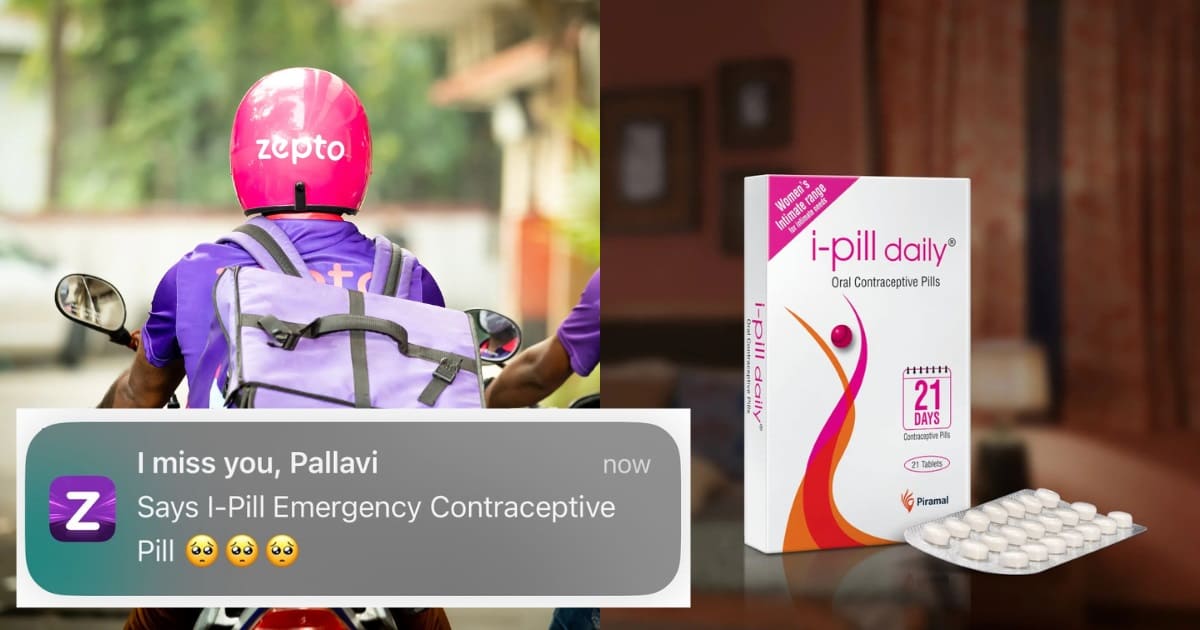
A promotional notification from grocery delivery platform Zepto sparked criticism online after a woman received a message linked to an emergency contraceptive pill.
The notification was sent to Pallavi Pareek and reportedly read, “I miss you, Pallavi, says I-Pill emergency contraceptive pill.”
The unusual wording immediately caught her attention, but she was not amused by the message. She questioned why Zepto had sent her such a personal notification, especially since she said she had never ordered an emergency contraceptive pill through the platform.
Pallavi Questions The Tone Of The Message
Pallavi shared a screenshot of the notification on LinkedIn and explained why she found it inappropriate.
She pointed out that even if she had previously ordered an emergency contraceptive pill, she did not think the product should be presented as though it was “missing” her.
According to Pallavi, the issue was not with Zepto selling or promoting the product. Instead, she objected to the way the notification was written and the personal tone used in the message.
She Says Promotional Messages Should Have A Limit
Pallavi said she was comfortable with brands using humour or creative messaging when it made sense.
However, she felt there should be a clear limit when promotional notifications become overly personal, flirty or uncomfortable.
She described the message as going too far and said the incident highlighted what she saw as a problem with the logic behind the promotional copy.
Her criticism was therefore directed at the communication style rather than the availability of the product itself.
Pallavi Clarifies That She Likes Zepto
Despite criticising the notification, Pallavi made it clear that she was not against Zepto as a platform.
She said she likes the app and relies heavily on grocery and delivery services in her daily life.
Her LinkedIn post, she explained, was intended to highlight what she considered a flaw in the notification’s messaging rather than criticise Zepto for promoting or selling i-Pill.
The Notification Sparks An Online Conversation
The incident quickly attracted attention because of the unusual wording used in the personalised notification.
Brand notifications are often designed to catch users’ attention through humour, personalised names and conversational language. However, this incident raised questions about how far such marketing strategies should go, particularly when dealing with sensitive healthcare-related products.
The controversy also highlighted the importance of considering the context and tone of promotional messages before they are sent to customers.
Zepto Admits It Made A Mistake
Following the backlash, Zepto responded directly to Pallavi.
The company acknowledged that the message was inappropriate and apologised for what it described as a thoughtless communication.
Zepto said it had taken immediate steps to address the issue.
According to the response shared by Pallavi, the company said it had corrected the issue, updated its processes and retrained its team.
Zepto also assured her that it valued customer trust and well-being and said that the mistake would not happen again.
Why The Incident Matters For Brand Marketing
The incident has raised a wider question about the way companies communicate with customers through app notifications.
Creative marketing can help brands stand out in a crowded digital environment. However, messages involving personal information or sensitive products can easily make customers uncomfortable if the wording crosses a line.
The Zepto incident shows that even a short notification can attract significant attention when customers feel that the tone is inappropriate.
A Lesson In Personalised Notifications
Personalisation has become common in digital marketing. Companies often use a customer’s name or past activity to make notifications feel more relevant.
But the incident involving Pallavi shows why brands need to be careful while creating such messages.
A notification may be intended as a joke or promotional line, but customers can interpret it very differently depending on the subject and wording.
Conclusion
A Zepto notification saying “I miss you, Pallavi, says I-Pill emergency contraceptive pill” sparked criticism after Pallavi Pareek questioned the tone and logic behind the message.
Pallavi clarified that she was not against Zepto or the promotion of i-Pill. Her concern was about the way the product was presented through a personalised and seemingly flirty notification.
Zepto later acknowledged the mistake and apologised. The company said it had corrected the issue, updated its processes and retrained its team.
The incident has since become an example of how brands need to balance creative marketing with sensitivity, especially when communicating about personal or healthcare-related products.
FAQ
What notification did Pallavi Pareek receive from Zepto?
She received a notification that reportedly said, “I miss you, Pallavi, says I-Pill emergency contraceptive pill.”
Why did Pallavi criticise Zepto?
She questioned the personal and flirty tone of the notification and said she had never ordered an emergency contraceptive pill from Zepto.
Was Pallavi against Zepto selling i-Pill?
No. She specifically clarified that her criticism was about the messaging and not against i-Pill promotion or availability.
Did Zepto apologise to Pallavi?
Yes. Zepto acknowledged the mistake and apologised for the notification.
What action did Zepto say it had taken?
According to the response shared by Pallavi, Zepto said it had corrected the issue, updated its processes and retrained its team.