
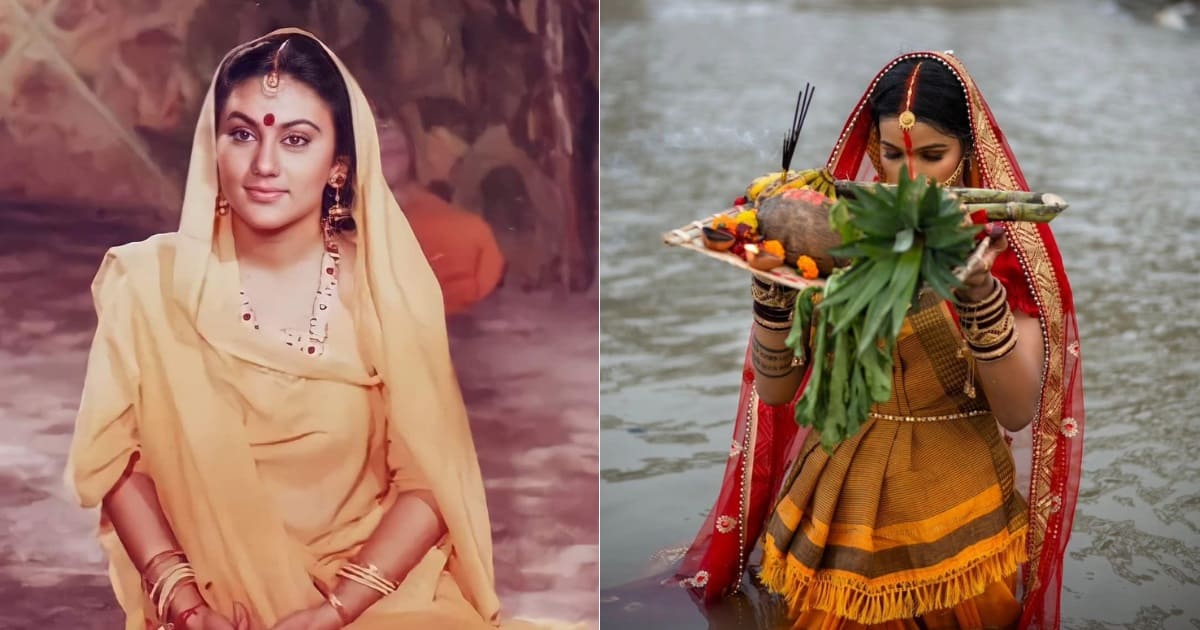
Chhath Puja is one of the most important festivals associated with Bihar, Jharkhand and parts of Uttar Pradesh. The festival is also celebrated in several other parts of India and Nepal with great devotion.
Dedicated mainly to the Sun God (Surya Dev) and Chhathi Maiya, Chhath is known for its strict rituals, fasting and prayers. Devotees express gratitude to nature and pray for the health, happiness and prosperity of their families.
But did you know that traditional beliefs connect Chhath Puja with Goddess Sita?
Table of Contents
ToggleThe Traditional Connection Between Goddess Sita And Chhath
According to traditional religious accounts, Lord Rama and Goddess Sita observed Chhath Puja after returning to Ayodhya following their victory over Ravana.
It is believed that Sita performed the rituals as an expression of devotion and gratitude towards the Sun God.
This traditional association has given Chhath an important place in the spiritual traditions followed by devotees for generations.
Goddess Sita is also remembered for her strength, purity and devotion, qualities that many devotees associate with the discipline required during Chhath.
Chhath Is Also Linked With Other Figures In Hindu Tradition
The connection of Chhath with Hindu mythology does not end with Rama and Sita.
Traditional stories also associate the worship of the Sun with Karna, who is believed to have offered prayers and Arghya to the Sun God.
Another popular belief connects Draupadi and the Pandavas with Sun worship during their period of exile.
These stories have helped make Chhath a festival deeply connected with devotion, nature and the Sun.
Why Chhath Puja Is Celebrated For Four Days
Chhath Puja is traditionally observed over four days, with every day having a specific ritual and significance.
Day 1: Nahay Khay
The festival begins with Nahay Khay.
Devotees traditionally take a holy bath and prepare a simple, pure meal. The day is considered the beginning of the spiritual preparation for the demanding rituals that follow.
Day 2: Kharna
The second day is known as Kharna.
Devotees observe a fast during the day and traditionally break it after sunset after preparing and offering special food.
After Kharna, many devotees begin a strict fast that continues for around 36 hours.
Day 3: Sandhya Arghya
The third day is one of the most visually significant parts of Chhath.
Devotees gather near rivers, ponds and other water bodies to offer Arghya to the setting Sun.
Families carry beautifully decorated bamboo baskets containing traditional offerings while devotees stand in the water and offer prayers.
The sight of thousands of devotees praying together at sunset makes this ritual particularly special.
Day 4: Usha Arghya
The final day begins early in the morning.
Devotees return to the water bodies and offer Arghya to the rising Sun.
After completing the morning prayers, the fast is traditionally concluded.
What Is Offered During Chhath Puja?
Chhath offerings usually include traditional homemade items prepared with great care.
Some of the commonly associated offerings include:
- Thekua
- Fruits
- Rice-based preparations
- Seasonal vegetables
- Sugarcane
- Other traditional homemade offerings
The offerings are generally carried in bamboo baskets and are presented to the Sun God during the evening and morning rituals.
Why Chhath Is Considered A Festival Of Nature
One of the most special aspects of Chhath Puja is its strong connection with nature.
The Sun, water, fruits, crops and other natural elements all have an important place in the rituals.
Devotees gather near rivers, ponds and other water bodies to perform the Arghya. The festival therefore also highlights the importance of respecting and protecting nature.
The Spirit Of Family And Community
Chhath is not only about individual prayers.
The festival brings entire families and communities together. People travel long distances to return home, prepare traditional offerings and participate in the rituals.
From preparing Thekua to decorating baskets and visiting the riverbank before sunrise, every part of the festival involves devotion and collective participation.
For many families, Chhath is also an important time to preserve traditions and pass them from one generation to the next.
Why Goddess Sita’s Connection Makes Chhath Even More Special
The traditional association with Goddess Sita adds another meaningful layer to the festival.
Sita is widely remembered in Hindu tradition as a symbol of devotion, patience and strength. Her association with Chhath is therefore especially meaningful to devotees who see the festival as a celebration of faith and discipline.
While the historical details of ancient Chhath traditions vary across religious and regional sources, the Rama-Sita connection remains a popular traditional belief among devotees.
Chhath Puja Is A Celebration Of Faith And Gratitude
The difficult fasting, early-morning prayers and strict rituals show the level of dedication associated with Chhath.
Devotees do not simply pray for themselves. Many observe the rituals seeking the well-being, health and prosperity of their loved ones.
The festival also represents gratitude towards the Sun and nature, which are seen as essential sources of life.
Conclusion
Chhath Puja is much more than a festival of rituals. It is a celebration of faith, discipline, family, nature and gratitude.
Its traditional connection with Goddess Sita, along with stories associated with figures such as Karna and Draupadi, gives the festival a rich place in Hindu cultural traditions.
From Nahay Khay and Kharna to Sandhya Arghya and Usha Arghya, every stage carries its own significance.
For millions of devotees, Chhath remains a deeply emotional and spiritual festival — one that connects generations through faith, tradition and devotion.
Frequently Asked Questions
What is Chhath Puja?
Chhath Puja is a Hindu festival dedicated mainly to the Sun God and Chhathi Maiya. It is especially popular in Bihar, Jharkhand and eastern Uttar Pradesh.
Is Chhath Puja connected with Goddess Sita?
According to a popular traditional belief, Lord Rama and Goddess Sita performed Chhath rituals after returning to Ayodhya.
How many days is Chhath Puja celebrated?
Chhath Puja is traditionally observed over four days: Nahay Khay, Kharna, Sandhya Arghya and Usha Arghya.
Why do devotees offer Arghya to the Sun?
Offering Arghya is an important part of the festival and is performed as an expression of devotion and gratitude towards the Sun God.
What is the famous Chhath Prasad?
Thekua is one of the most well-known traditional offerings prepared during Chhath Puja.