
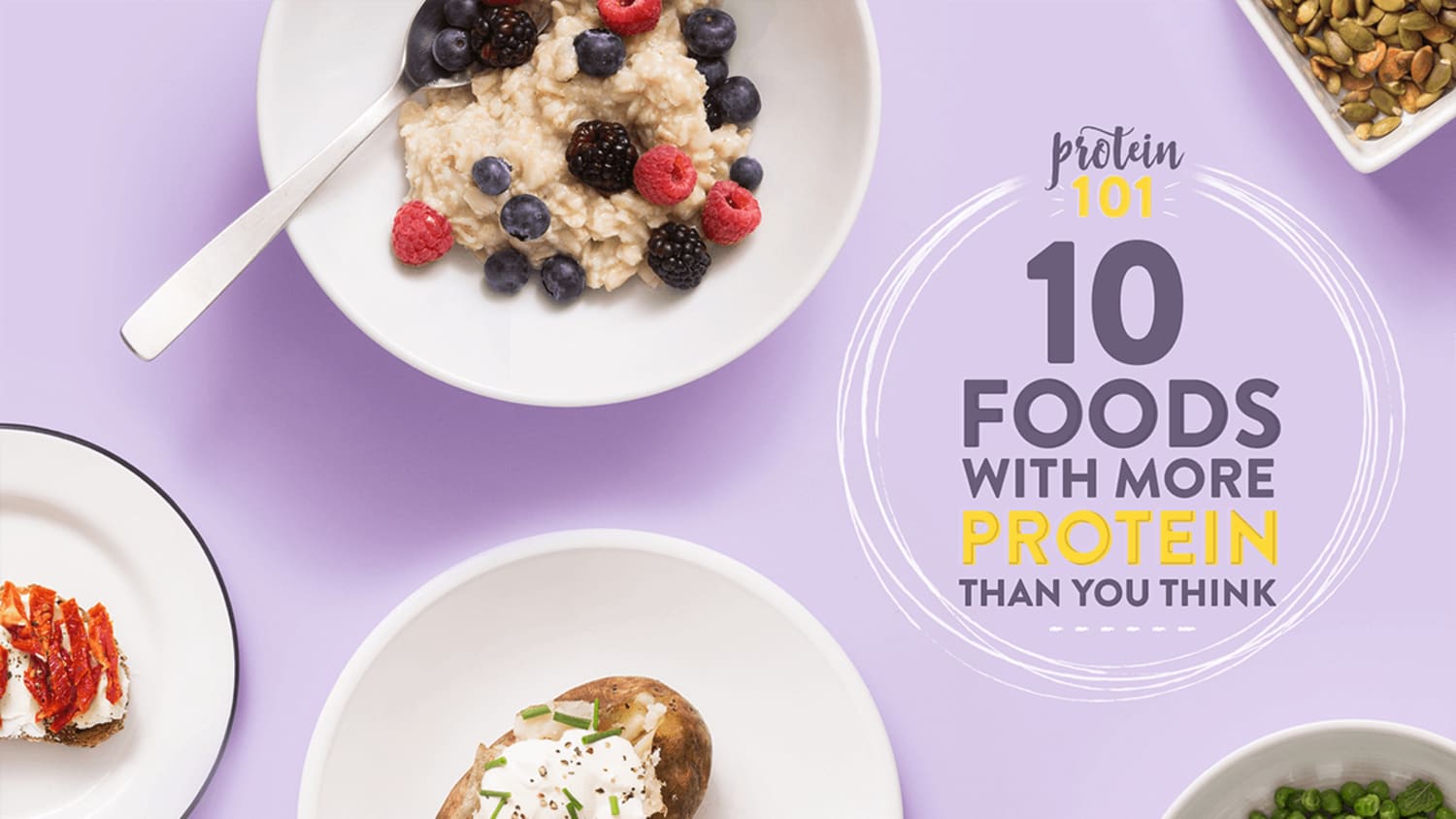
When people think about increasing protein intake, foods like chicken, eggs and protein powders often come to mind first. But you do not always need expensive supplements or special foods to get more protein.
Many common foods already available in Indian kitchens can provide a useful amount of protein. Dal, chana, peanuts, oats, paneer and soya are some simple options that can easily become part of everyday meals.
For people trying to build a balanced diet, these foods can make it easier to increase protein intake without making meals complicated.
Why Is Plant-Based Protein Becoming Popular?
Plant-based protein has become increasingly popular among people who want simple and nutritious food choices.
Foods such as lentils, beans, nuts, seeds and whole grains can provide protein along with other nutrients.
A diet containing more plant-based protein may also support:
- Heart health
- Healthy cholesterol levels
- Weight management
- Digestion and gut health
- Overall nutrition
Another advantage is that many of these foods are affordable and easily available.
10 Everyday Foods That Can Give You More Protein
You may already be eating some of these foods regularly without realising how much protein they can provide.
1. Lentils or Dal
Dal is one of the most common protein-rich foods in Indian households.
According to the source article, one cup of cooked dal provides around 18 grams of protein. It also provides dietary fibre, making it a filling addition to meals.
Dal can be enjoyed with rice, roti or vegetables.
2. Chickpeas or Chana
Chana is another simple way to add plant-based protein to your diet.
One cup can provide approximately 15 grams of protein.
You can use chickpeas in curries, salads or as a roasted snack.
3. Peanuts
Peanuts are an affordable snack that can also contribute to your daily protein intake.
A small handful provides around 7 grams of protein, according to the source.
They can be eaten as a snack or added to different dishes.
4. Oats
Oats are often associated with breakfast, but they can be useful beyond the morning meal.
A serving of oats provides around 5 grams of protein.
Adding seeds or peanut butter can make an oats-based meal more filling and nutritious.
5. Paneer
Paneer is a popular protein-rich food, particularly for people following vegetarian diets.
The source article states that 100 grams of paneer provides approximately 18 grams of protein.
It can be added to curries, salads or quick meals.
6. Soybeans
Soybeans are among the higher-protein plant foods listed in the article.
One cup provides approximately 28 grams of protein.
Soy-based foods can be included in different meals as part of a balanced diet.
7. Almonds
Almonds provide protein along with healthy fats.
A handful contains around 6 grams of protein, according to the source article.
They can be eaten as a snack or added to oats and other meals.
8. Quinoa
Quinoa is a pseudocereal that is often used as an alternative to traditional grains.
One cup provides around 8 grams of protein and is described in the source as a complete protein source.
It can be used in salads, bowls or as a replacement for rice.
9. Green Peas
Green peas are another everyday food that can contribute to protein intake.
One cup contains around 9 grams of protein.
They can be added to curries, rice dishes, soups and other meals.
10. Kidney Beans or Rajma
Rajma is a familiar Indian food and can be a useful source of plant-based protein.
One cup provides approximately 15 grams of protein.
Rajma can be enjoyed as a curry with rice or included in other meals.
Simple High-Protein Diet Plan
Adding protein-rich foods to your diet does not have to be complicated.
Here is a simple example based on the meal plan in the source article:
Breakfast
- Oats with peanut butter and seeds
OR - Moong chilla with chutney
Lunch
- One bowl of dal
- Roti or rice
- Sabzi
- Salad
- Paneer or tofu if desired
Evening Snack
- Roasted chana
- Sprouts
- Fruit
Dinner
- Tofu stir-fry
- Khichdi
- Other light meals containing protein-rich ingredients
The exact amount of protein a person needs can vary depending on individual requirements and lifestyle.
What Are the Benefits of Plant-Based Protein?
Plant-based protein foods can provide more than just protein.
Supports Gut Health
Many plant-based protein foods also contain fibre. Fibre can support digestion and contribute to a healthy gut.
May Support Heart Health
The source article notes that many plant-based protein foods are naturally lower in saturated fat. Including them as part of a balanced diet may therefore support heart health.
May Help With Weight Management
Protein and fibre can help you feel full for longer.
Including filling foods in meals may help reduce unnecessary snacking and support healthy weight management.
Provides Antioxidants
Foods such as lentils, beans and nuts contain antioxidants. These compounds help protect cells from damage caused by free radicals.
May Support Overall Health
Regularly including a variety of plant-based foods in your diet can contribute to a balanced eating pattern and may help support long-term health.
Easy Ways to Increase Protein in Everyday Meals
You do not need to completely change your diet to eat more protein.
Small changes can make a difference.
Add Seeds
Chia, flax and pumpkin seeds can be added to oats, roti dough or pancakes.
Keep Paneer or Tofu Ready
Paneer and tofu can be used to prepare quick protein-rich meals.
Add Dal or Beans to Meals
Mashed dal or beans can be added to curries, vegetables and soups to make meals more filling.
Try Peanut or Almond Butter
A spoonful of peanut butter or almond butter can be added to oats or smoothies.
Choose Roasted Chana
Roasted chana is a simple snack option that can contribute to your daily protein intake.
Do You Need Protein Powder to Get Enough Protein?
Not necessarily.
Protein powders can be convenient for some people, but the foods listed above show that many everyday ingredients can also contribute to protein intake.
Dal, chana, peanuts, paneer, soya, nuts, oats and quinoa can all be included in a varied diet.
The important point is to choose a combination of foods rather than depending on one single source.
Plant Protein Does Not Mean Giving Up Meat
Choosing more plant-based protein does not mean you have to stop eating meat or other animal-based foods.
You can simply include more plant-based options in your regular meals.
For example, adding dal, chana, beans, nuts or seeds alongside your usual foods can increase the variety of nutrients in your diet.
Conclusion
Getting enough protein does not always require expensive supplements or complicated diets.
Many familiar foods such as dal, chana, peanuts, oats, paneer, soybeans, almonds, quinoa, green peas and rajma can contribute valuable protein to your daily meals.
The best approach is to eat a varied and balanced diet and include different protein sources throughout the day. Small changes to familiar meals can make it easier to improve your overall nutrition.
FAQ
Which everyday Indian food is high in protein?
Dal, chana, paneer, rajma, peanuts and soya are some common protein-rich options that can easily be included in Indian meals.
Is dal a good source of protein?
Yes. According to the source article, one cup of cooked dal provides around 18 grams of protein.
Does paneer contain protein?
Yes. The source states that 100 grams of paneer provides approximately 18 grams of protein.
Are peanuts a good source of protein?
Peanuts can contribute to daily protein intake. A small handful provides around 7 grams of protein according to the source article.
Is quinoa high in protein?
One cup of quinoa provides approximately 8 grams of protein, according to the source.
Can vegetarians get enough protein from food?
Yes. Foods such as dal, beans, chana, paneer, soya, nuts, seeds and quinoa can provide protein as part of a varied vegetarian diet.
Do I need protein powder to increase my protein intake?
Not necessarily. Many everyday foods naturally contain protein. Protein powder may be convenient for some people, but it is not the only way to increase protein intake.
Is plant-based protein healthy?
Plant-based protein foods can provide protein along with fibre, vitamins, minerals and antioxidants. Including a variety of these foods can be part of a balanced diet.