
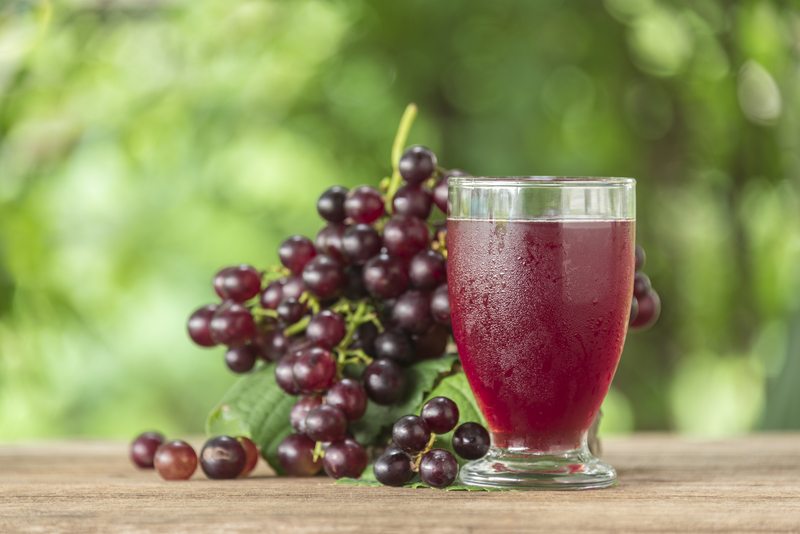
Grapes are a popular fruit among children and adults. Black grapes, in particular, contain natural sugars, antioxidants and several nutrients. While many people prefer eating grapes as a whole fruit, grape juice is another common way to consume them.
But is grape juice as healthy for children as eating whole grapes? And how much grape juice is safe for kids?
For parents, the answer is simple: grape juice can be given to children in moderation, but whole grapes are generally a better choice because they provide more fibre.
What Does Grape Juice Contain?
Grape juice mainly contains water and natural sugars. It also provides carbohydrates and small amounts of protein, fat and minerals.
According to the nutritional information provided in the source article, around 100 ml of grape juice contains approximately:
- 62 calories
- 14.8 g carbohydrates
- 0.37 g protein
- 0.13 g fat
- 10 mg magnesium
- 11 mg calcium
The nutritional content can vary depending on the type of grapes and how the juice is prepared.
Is Grape Juice Healthy for Children?
Yes, children can have grape juice, but portion size is important.
Grape juice contains natural sugar, and drinking too much juice can increase children’s overall sugar intake. Excessive juice consumption may also contribute to problems such as tooth decay and unhealthy weight gain.
The American Academy of Pediatrics recommends limiting fruit juice for young children rather than allowing unlimited consumption.
For children between 1 and 3 years, the recommended maximum is 4 ounces of fruit juice per day.
Possible Benefits of Grape Juice for Kids
Grapes contain several naturally occurring compounds that may offer health benefits. However, juice should not replace whole fruits in a child’s diet.
May Support Digestion
Grapes contain natural compounds and sugars, while whole grapes also provide fibre.
Fibre helps add bulk to stools and supports normal digestion. However, most of the fibre is lost when grapes are processed into juice.
The polyphenols found in grapes may also support a healthy gut environment.
Contains Antioxidants
Grapes contain antioxidants and plant compounds such as flavonoids and resveratrol.
These compounds help protect cells from oxidative stress. Including fruits containing antioxidants as part of a balanced diet can support overall health.
Provides Some Nutrients
Grape juice provides small amounts of minerals and vitamins along with carbohydrates and natural sugars.
However, it should be viewed as an occasional part of a balanced diet rather than a replacement for nutrient-rich foods.
How Much Grape Juice Can Children Have?
The amount of juice suitable for a child depends on their age.
Under 1 Year
Fruit juice should be avoided for infants under 12 months.
Breast milk or suitable infant feeding options should remain the main source of nutrition during this stage.
1 to 3 Years
Children in this age group should have no more than 4 ounces of fruit juice per day.
4 to 6 Years
The recommended limit is around 4 to 6 ounces per day.
7 to 18 Years
The daily limit is around 8 ounces.
Parents should also remember that these are maximum amounts, not targets. Children do not need to drink fruit juice every day.
Whole Grapes vs Grape Juice: Which Is Better?
For most children, whole grapes are the better option.
The biggest difference is fibre.
When grapes are eaten whole, the child gets the fruit’s natural fibre. Juice, on the other hand, contains much less fibre and is easier to consume quickly.
This means a child can drink a larger amount of juice in a short time without feeling as full as they might after eating whole fruit.
Whole grapes also encourage children to eat fruit rather than relying on sweet drinks.
Why Too Much Juice Can Be a Problem
Although grape juice contains natural sugars, drinking too much can still increase a child’s overall sugar intake.
Frequent exposure to sugary drinks can increase the risk of tooth decay.
Large amounts of juice may also add extra calories to the diet, which can contribute to unhealthy weight gain.
Another concern is that children may start choosing juice instead of water or whole fruits.
For this reason, water and whole fruits should remain regular parts of a child’s diet.
Safer Ways to Offer Grape Juice
Parents who want to include grape juice can follow a few simple habits.
Dilute the Juice
Mixing grape juice with water can reduce its concentration and make it easier to control the amount consumed.
A simple option is to mix equal quantities of grape juice and water.
Serve It in a Cup
Avoid allowing children to continuously sip juice from a bottle throughout the day.
Repeated exposure to sugar can increase the risk of dental problems.
Choose Pasteurised Juice
Avoid giving children unpasteurised juice because it may contain harmful bacteria.
Pasteurised juice is a safer choice.
Keep Whole Fruits on the Menu
Instead of depending on juice, encourage children to eat whole fruits.
This helps them get fibre and makes fruit a more filling part of their diet.
Simple Ways to Make Juice More Balanced
Grape juice can also be used in small quantities as part of different foods.
Parents can combine it with yoghurt, oats or whole fruits to create a more filling snack. It can also be used in homemade fruit-based treats.
However, adding juice to other foods does not remove the need to control the total amount consumed.
Important Safety Tips for Parents
A few simple precautions can make fruit juice safer for children.
Do not give juice to babies under 12 months. Infants have different nutritional needs, and juice is not recommended at this age.
Avoid unpasteurised juice. It can carry harmful bacteria.
Do not let children sip juice throughout the day. Serve it during a meal or snack instead.
Encourage water. Water should remain an important everyday drink for children.
Prefer whole fruit. Whole grapes provide fibre that is largely missing from grape juice.
Is Black Grape Juice Better Than Whole Black Grapes?
Not necessarily.
Black grapes contain useful plant compounds and nutrients, but eating them whole provides an important advantage: fibre.
Juicing removes much of the fruit’s fibre and makes it easier to consume a larger quantity quickly.
Therefore, if parents have to choose between a serving of whole black grapes and grape juice, whole grapes are generally the better everyday option.
Parents should also cut grapes appropriately for young children and supervise them while eating, as whole grapes can be a choking hazard.
The Bottom Line for Parents
Grape juice can be included in a child’s diet, but it should not be treated as a replacement for whole fruit.
The main concern is the amount. Even though the sugar in grape juice is naturally present, excessive juice consumption can increase sugar exposure and may contribute to dental problems and excess calorie intake.
For everyday nutrition, whole black grapes are a better choice because they provide fibre and are more filling.
If you offer grape juice, keep the portion age-appropriate, choose pasteurised juice and encourage children to drink water and eat a variety of whole fruits.
Conclusion
Grape juice can be a tasty drink for children when given in moderation. It contains natural sugars and some nutrients and plant compounds found in grapes.
However, more juice does not mean more health benefits.
For children, whole grapes are generally the better choice because they provide fibre and encourage healthier eating habits. Parents should therefore treat grape juice as an occasional drink rather than a substitute for whole fruit or water.
FAQ
1. Can children drink grape juice?
Yes. Children can have grape juice in age-appropriate quantities. However, it should be limited rather than consumed freely.
2. Can babies under 1 year have grape juice?
No. Fruit juice is not recommended for infants under 12 months.
3. How much grape juice can a 1-year-old have?
Children aged 1 to 3 years should have no more than 4 ounces of fruit juice per day.
4. Is grape juice healthier than whole grapes?
Whole grapes are generally a better choice because they contain more fibre. Juice also makes it easier to consume a larger amount quickly.
5. Can grape juice cause tooth decay in children?
Excessive consumption and frequent exposure to sugary drinks can increase the risk of tooth decay. Serving juice in controlled portions can help reduce this risk.
6. Should children drink grape juice every day?
They do not need to. Water and whole fruits should be regular parts of a child’s diet, while juice can be consumed in moderation.
7. Is homemade grape juice safe for children?
Parents should avoid giving children unpasteurised juice because it can contain harmful bacteria. Pasteurised juice is the safer option.